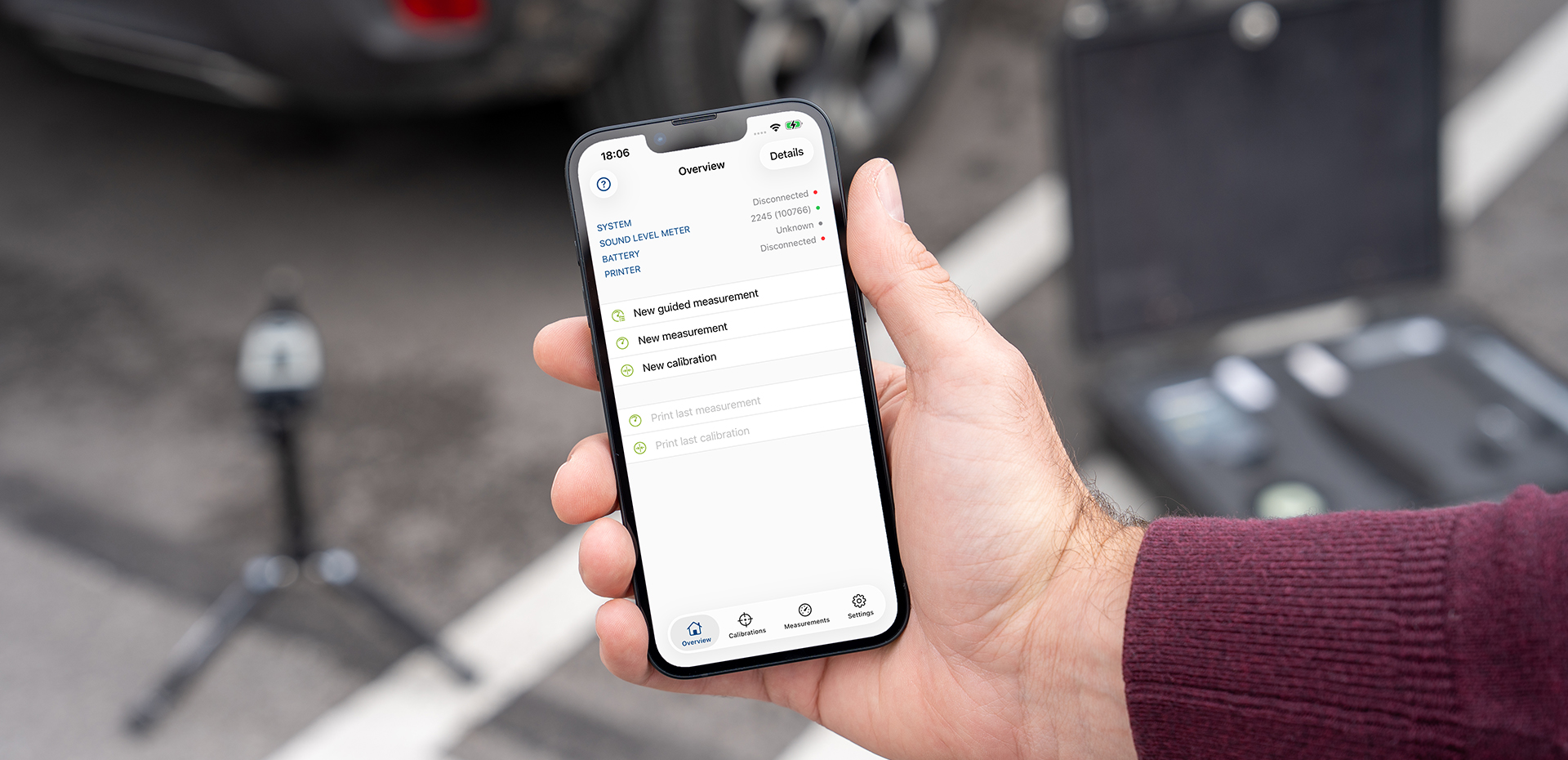
Our team never rests – we are constantly looking for ways to make the Noise Guard environmental noise monitoring system even better. The result is our latest upgrade, which brings new tools and a revised pricing model for easier and more affordable noise monitoring. Whether you are monitoring noise in a bustling urban environment or a quiet rural setting, these changes will help you work more efficiently. Let’s take a look at the key updates and how they improve your user experience.
New Tools for Better Noise Monitoring
Black Carbon Measurements
One of the upcoming features of the upgraded Noise Guard system is the display of black carbon concentration measurements – an important air pollutant associated with traffic, industry, and heating. In addition to comprehensive noise monitoring, the system will soon also provide insight into air quality.
As part of the innovative INKA project, in collaboration with leading experts in carbon particle measurement from Aerosol Magee Scientific, we are developing this advanced functionality to enable more precise monitoring of impacts on air quality and living conditions.
With the addition of black carbon measurements, Noise Guard will evolve into an even more comprehensive environmental monitoring tool. Advanced analytics will support researchers, municipalities, and industry in taking effective measures to improve quality of life.
AI Sound Classification
We’re preparing to introduce AI-powered sound classification to the Measurements page. This upcoming feature will automatically highlight segments of audio that are likely tied to specific noise sources – such as vehicles or machinery – and display a confidence level for each classification. Once released, you’ll be able to enable this in the “Classifications” column within Table Options. This tool is designed to make it easier to identify and analyze noise events quickly, helping save time when generating reports or checking compliance.
One-Second Logging
For projects needing detailed data, we’ve introduced One-Second Logging. This is available when you set the logging interval to one minute. It lets you zoom in on specific measurements to see data at one-second intervals, which is great for spotting brief noise spikes or meeting strict regulations. You can also tweak the charts to focus on the parameters that matter most to you.
Aircraft Noise Monitoring Module
Building on our successful use of Marine Traffic for tracking vessel movements, we have taken the next step by expanding monitoring into the air. A new module, currently in testing, will allow real-time aircraft tracking integrated directly with noise monitoring. The functionality includes live data on altitude, speed, route, and aircraft identification, automatic calculation of noise from individual events (SEL), and clear route visualization on an interactive map. This module will provide stronger support for regulatory compliance and transparent reporting, particularly for areas near airports where aircraft noise is a key factor. Initial measurements are already underway, and more details will be shared soon.
Automated Reports with Easy Customization
Creating reports is now smoother with our improved automated reporting feature in the Reports tab. You can generate monthly, weekly, and daily reports, add custom daily indicators, and apply filters to focus on the data you need. Choose your terminal, pick from existing land categories, or create new ones based on local legislation. This makes it easier to produce accurate reports that align with your project’s requirements.
Help at the Click of a Button
Sometimes things don’t go as planned – a terminal stops responding, data collection is interrupted, or the connection is unreliable. That’s why we added the new “Report Issue” feature, available directly from the Terminals menu, enabling quick and simple problem reporting within the platform.
Users can select the type of issue, add an optional description, and attach a screenshot. Reports are automatically sent to our support team at support@noise-guard.com along with all relevant data for faster resolution.
This means fewer complications for you and a quicker response from our team.
Updated Pricing Options
We’ve rolled out a new subscription-based pricing model and made some improvements to our standard model to give you more flexibility.
Subscription Model
You no longer need to pay for a terminal server license upfront. Instead, you cover the hardware cost initially, and licensing, server hosting, and maintenance are combined into one annual fee. This lowers the starting cost and lets you scale by adding terminals as needed.
Important: keeping access to cloud-hosted data requires renewing the subscription each year, but there’s a grace period if you need to restore access.
Standard Model
We’ve removed the terminal server license fee for additional terminals, making it more affordable to expand your setup. This model also supports self-hosting and offers backup options – from simple server configurations to full backups of data and recordings – so you can manage your data your way.
Both options are built to fit projects of any size, whether you’re running one terminal or a whole network. Reach out to our team to find out how Noise Guard’s pricing can fit your needs.
In Summary …
These updates mark another step forward in making Noise Guard smarter, faster, and more versatile than ever. With new tools already available and powerful features on the way, we’re committed to giving you the best possible experience in environmental noise monitoring. Stay tuned – the future of Noise Guard is just getting started.
If you have any questions or need more information, feel free to contact us at info@ims.si.